


More than five decades of organized manufacturing advocacy.

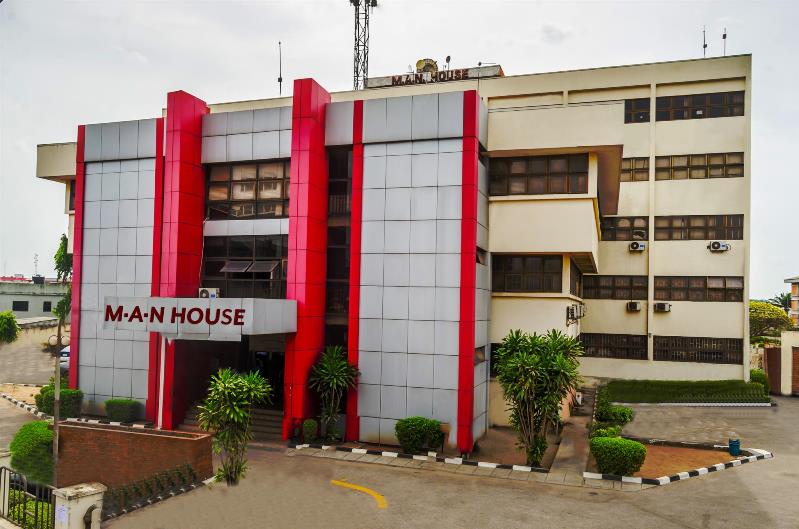
Established in 1971
MAN was established in response to the need for a unified platform that could effectively represent the interests, aspirations, and challenges of manufacturers across Nigeria.
Prior to the formation of MAN, there was no dedicated institution responsible for articulating the concerns of manufacturers or facilitating structured engagement between industry and government.
MAN became the focal point through which manufacturers could communicate collectively, engage public policy, and strengthen the role of industry in national economic development.
From sector representation to national industrial influence.

MAN Established
Founded as a company limited by guarantee, MAN provided manufacturers with a dedicated institution capable of articulating their concerns and engaging government in a structured way.
- Unified manufacturing voice
- Structured public-private consultation

Policy Reform
MAN has remained at the forefront of industrial advocacy, influencing reforms and representing manufacturing priorities on trade, investment, infrastructure, standards, and competitiveness.
- Evidence-based advocacy
- Government and stakeholder liaison

Local Manufacturing
The Association has promoted local manufacturing, enterprise development, product visibility, responsible patronage of Made-in-Nigeria products, and industrial competitiveness.
- Made-in-Nigeria promotion
- Enterprise development support

National Platform
MAN now represents over 2,500 companies across 10 sectoral groups and more than 72 manufacturing sub-sectors, strengthening Nigeria's industrial development agenda.
- 2,500+ manufacturing members
- 10 sectoral groups and 72+ sub-sectors
Successive leaders have shaped MAN's growth and influence.
Unified Voice
MAN emerged because manufacturers needed a dedicated institution capable of articulating their concerns.
Industrial Advocacy
The Association has sustained advocacy on policy reforms, local manufacturing, enterprise development, and national growth.
Leadership Continuity
Distinguished industry leaders have served as Presidents of the Association, strengthening MAN's recognized voice.